Shelby Township Epoxy Flooring
Metallic Epoxy · Shelby Township

Metallic Epoxy Floors in Ann Arbor, MI

Mica suspended inside the resin, moved by hand during the wet window before the polyaspartic locks it in.

2 days installs · typical timeline
Free · 24-hour response

Free Metallic Epoxy quote.

Response under 24 hours. No spam. Contact info is used only to send the quote.

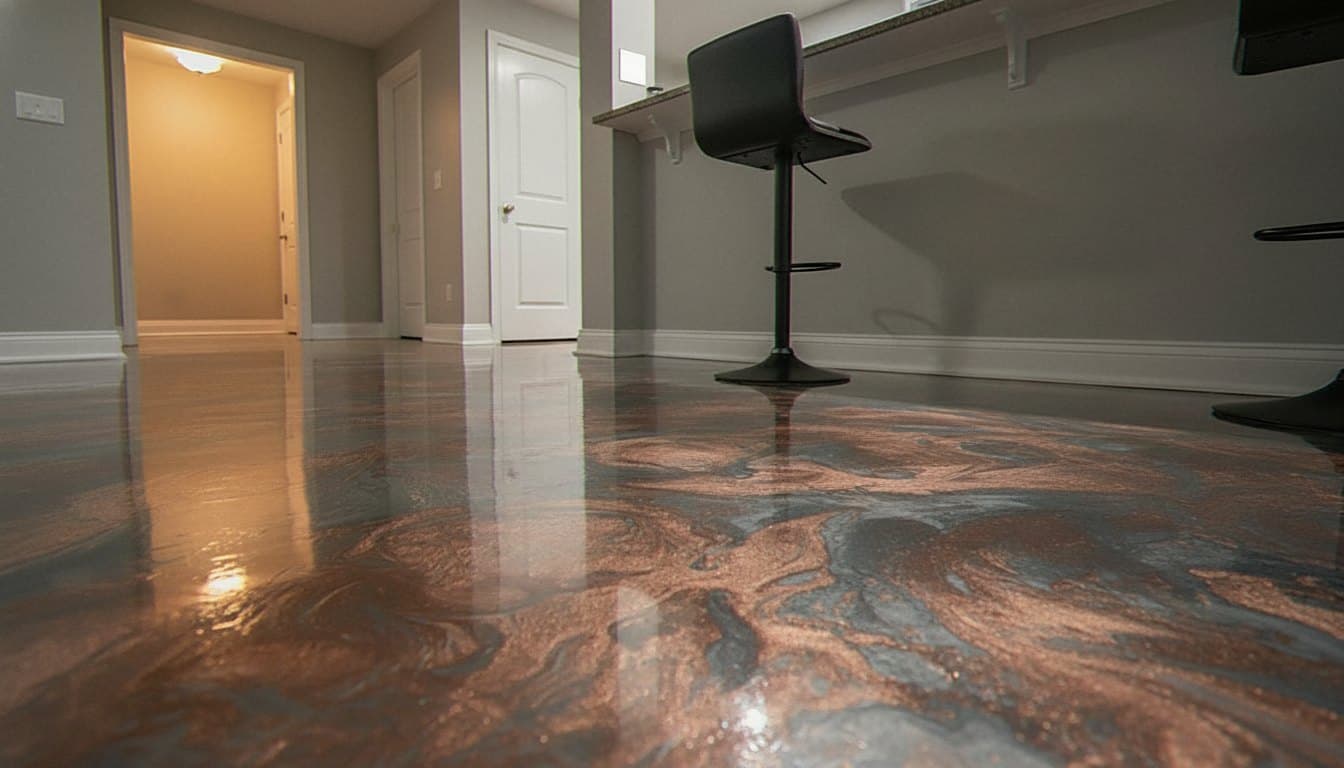
Swirled copper and slate metallic epoxy floor in basement bar.
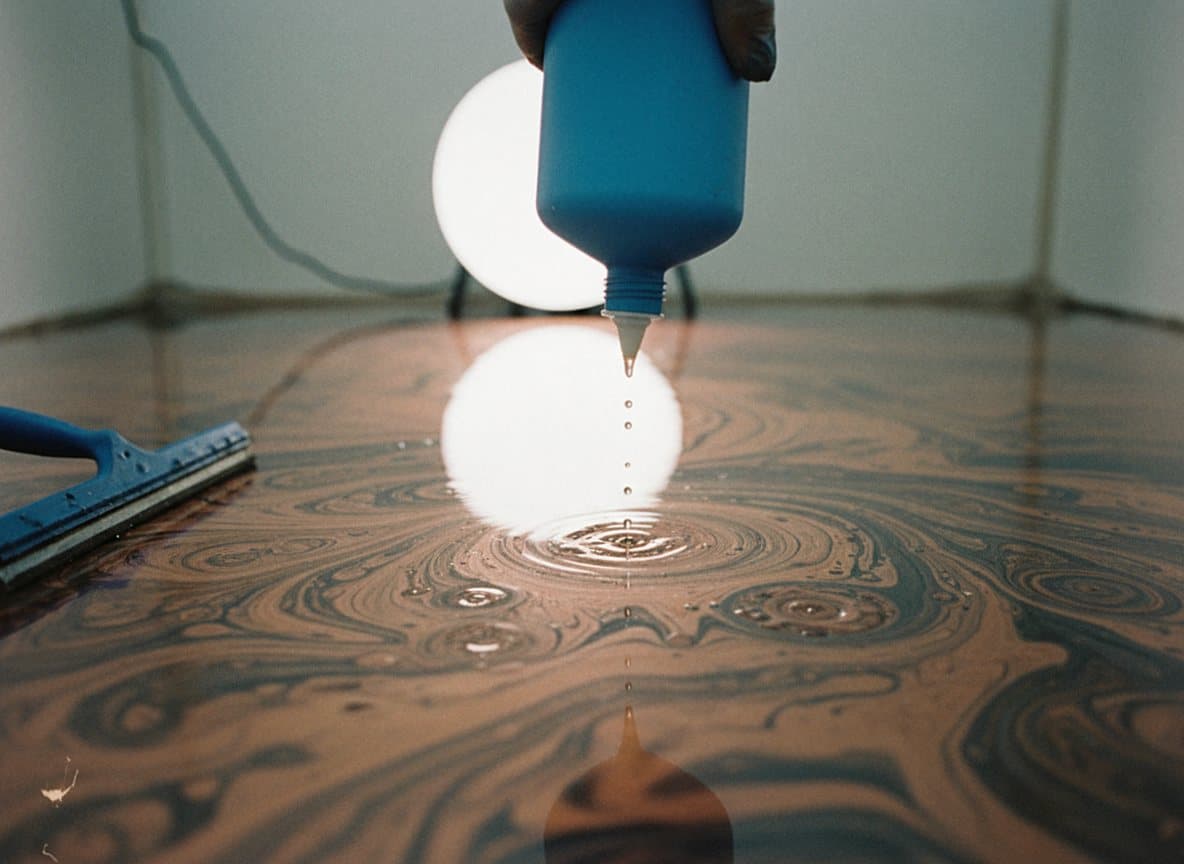
Gloved hand dripping alcohol into wet metallic epoxy pour.
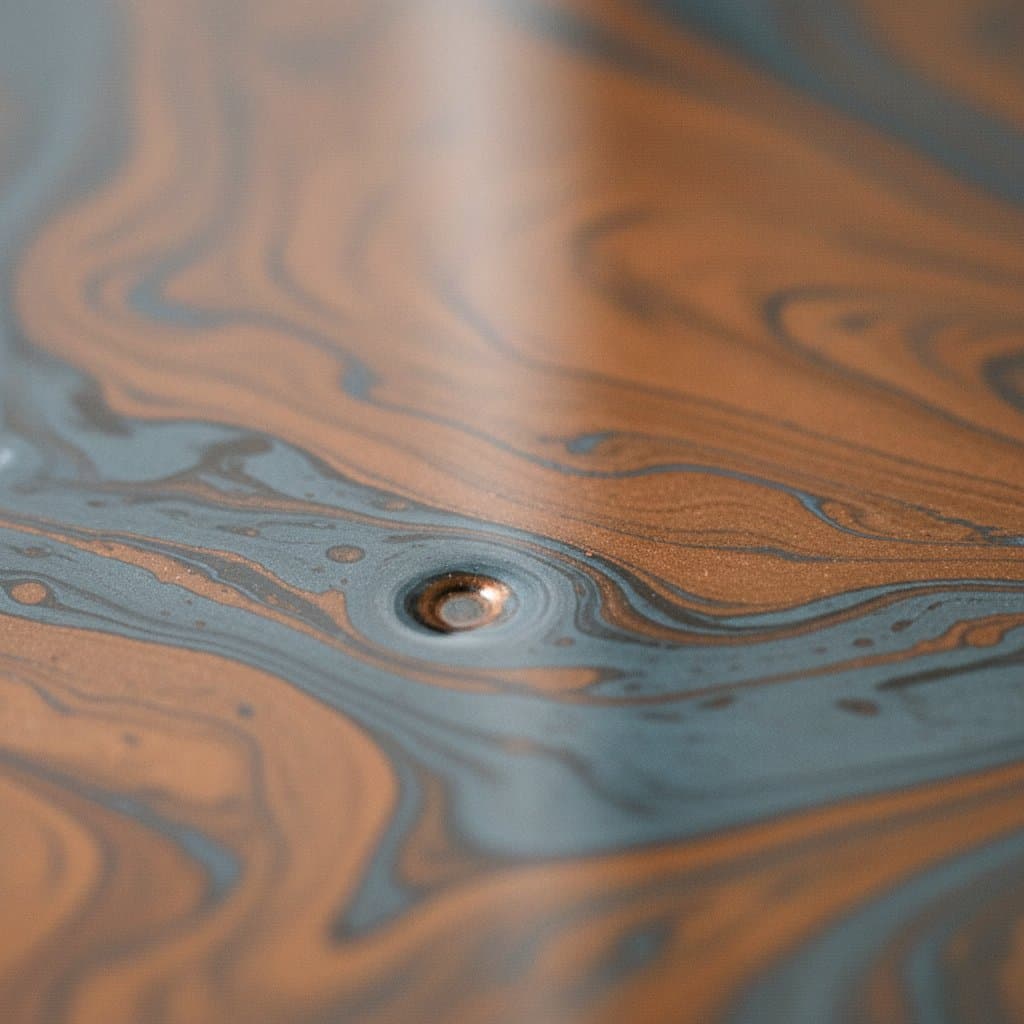
Macro of swirled copper and slate metallic epoxy.
What we install

What a metallic floor actually is, on the slab

Metallic epoxy reads as a designer floor and acts like one. Mineral mica pigment is suspended inside the resin. The chips get moved around during the wet window with rollers, brushes, squeegees, and small drops of alcohol. The chips end up at many different angles. Under good lighting the result reads almost three dimensional (a finished basement bar in Burns Park, an entry foyer in Ann Arbor Hills, a polished garage in Saline). Plenty of metallic installs online look amazing in the photo and dull in person. That gap shows up when the install skipped the structural layers underneath. The pigment is only the part you see.

Below the metallic layer the system is the same as any standard coating. Prep is a planetary grind. Primer is sized to the slab's vapor reading. Topcoat is a clear polyaspartic for the same chemical resistance and daylight stability as a standard install. The only thing that changes is the base coat. Solids epoxy carries the mica pigment instead of a plain solid pigment. The artistic part lives in the twenty to forty minutes between the pour and the gel point. That is when an installer with real reps pushes the mica into the swirl and cell patterns that make the look.

  • Common blends here: copper on slate, polished nickel, storm blue, warm walnut.
  • Sealed under polyaspartic. Same chemical and daylight toughness as any other system.
  • Install runs two days. The metallic pour needs its own cure window before the topcoat.
  • Right answer for a finished basement bar, a polished garage, a commercial entry foyer.
  • Look at sample boards in the actual room's lighting before the final blend is locked in.
It looks like a designer floor and the layers underneath are the same ones that survive a hot tire.

Most metallic work in the Ann Arbor footprint goes into spaces where the floor is the story. The bar room in a finished basement. A polished garage. The entry lobby for a Liberty Street office. The site visit has to bring real sample boards. The same pigment can read like two different floors under basement LED versus garage door sunlight versus an overcast January window.

If a metallic floor is on the table for a basement bar, a polished garage, or a commercial entryway, the route forward is a site visit with sample tiles laid on the actual slab. The form on this page reaches a local installer who handles that.

Materials

How the metallic layer is actually built

Think of a metallic floor as the standard system with one layer rewritten. The slab prep stays the same: a planetary grind to a CSP 3 profile. The primer stays the same. It is sized to whatever the moisture reading off the slab calls for. The polyaspartic on top stays the same. What changes is the base coat. Instead of a solid pigment, the base is clear or lightly tinted solids epoxy carrying mineral mica chips. Mica reflects light. When the chips float inside a clear resin and get moved while the resin is wet, they end up at many angles. The mixed reflectivity is what the eye reads as depth. The pigment lives down inside the resin, never on top of it.

The artistic step is the twenty to forty minute window between pour and gel. During that window an installer pushes the mica into specific patterns. Tools include rollers, brushes, squeegees, and small drops of alcohol on the surface. The alcohol drops are the signature move. Each drop opens a circular cell pattern in the wet resin. That cell look is what people picture when they imagine a metallic floor. A propane torch passed over the surface bursts bubbles and reflows pigment in spots. Once the metallic base cures, the polyaspartic topcoat lands and gives the clarity that lets the depth show through. Without that topcoat a metallic floor reads flat.

  • Mineral mica suspended in clear resin, moved by hand during the wet window.
  • Alcohol drops open the circular cell pattern. A torch pass pops bubbles and reflows pigment.
  • The 3D depth only reads right under a clear polyaspartic topcoat.
  • Same prep, same primer, same topcoat as a standard floor. Only the base coat formula changes.
Metallic epoxy floor meets a bare concrete border.
What about the alternatives?

Metallic versus the other designer floor options

A homeowner planning a polished garage, finished basement bar, or commercial entry lobby usually has three or four options on the table. The five rows below describe what each option actually delivers in daily use. Cost differences follow install labor more than they follow material.

Acid-stained concrete

Permanent natural look. Limited to earth tones. Shows every slab flaw. Needs a separate sealer to stay stable in daylight.

Acceptable

Polished concrete with dyes

Modern industrial finish. Color depth lower than metallic. No recoat schedule to plan around. Lower cost per square foot.

Recommended

Terrazzo (epoxy version)

Premium decorative finish with stone chips suspended in resin. Much more expensive. Slower install. More labor than metallic.

Acceptable

Full decorative flake

The popular home pick. More forgiving of slab flaws. Lower cost. Less visual drama than metallic.

Recommended

Metallic epoxy and polyaspartic

Highest visual depth, fullest range of swirl and cell patterns, full chemical durability under the polyaspartic. The top pick for a polished install.

Recommended
How it goes

From quote to walk-on, fast.

STEP 01

Free Quote

Submit a few photos or book a free 15-minute on-site visit. The result: a fixed written quote, not an estimate range.

STEP 02

Floor Prep

Diamond-grind the slab, patch every crack, vacuum-fill control joints, and prime against moisture vapor.

STEP 03

Coating

100% solids epoxy base, a full flake broadcast for grip and depth, then a polyaspartic topcoat.

STEP 04

Cure & Enjoy

Walk on it the same evening. Park on it 24 hours later.

Before you book

Questions to push on before booking the install

Metallic installs vary in quality more than any other coating type. The wet step is real art. The questions below separate the installer who has poured five metallic floors from one who has poured fifty.

Yes, and there is no skipping this step. The same pigment blend reads like two different floors under cool basement LED versus a warm garage bulb versus daylight through a skylight. A reputable metallic installer carries eight to twelve sample tiles to the site visit and lays them on the actual slab. The homeowner picks under the lighting that will be in place. Picking a blend from a website thumbnail is how a finished floor gets installed and then disliked.
A lot. Every metallic pour is moved by hand during the wet window. No two floors are ever the same, even when the pigment blend is repeated exactly. A reputable installer shows photos of the last five to ten metallic jobs. The homeowner gets to read the range of patterns the installer actually produces. A portfolio where every floor looks the same is a portfolio where the installer barely moves the pigment on any job. Less work in the wet step means less depth in the finish.
A scratch in the polyaspartic alone repairs cleanly. Light sanding pass, fresh topcoat pass, metallic underneath untouched. A gouge that reaches into the metallic base is harder to repair invisibly. The swirl pattern at that exact spot was unique to that pour. Reputable installers note in the contract that a deep gouge into the metallic layer may show as a subtle patch even after a careful patch. The expectation is set before signing.
It does, as long as the moisture mitigating primer is the right one for the slab's vapor reading. The polyaspartic above seals the floor against ambient humidity for daily use. An active basement leak (failed sump, foundation crack with seepage) must be fixed before any coating goes down. Metallic does not change that rule.
Mica pigments are mineral, so they do not fade the way dyes do. Years of daylight can very slowly attack the polyaspartic topcoat itself. That shows up at year eight to fifteen on a sunlit floor. A recoat handles it, not a tear out. The metallic depth in the base layer stays put, and only the clear topcoat above it ever needs attention.
Aftercare

Keeping the depth visible across the years

Daily care for a metallic floor is the same as any floor finished under polyaspartic. Sweep, damp mop, skip abrasives, dilute the cleaners. The difference is that the look of a metallic floor makes scratches and scuffs read more, not less. On a flake floor a hairline scratch lands inside the pattern and almost vanishes. On a glassy metallic that same scratch reads as a clean line across the swirl. So a metallic floor rewards a bit more care around chair legs, exercise gear, and the path a vacuum wheel takes when it has picked up grit.

  • Sweep once a week. The deeper the gloss, the more each micro scratch shows.
  • Damp mop once a month with a pH neutral product. Skip abrasive scrub pads.
  • Felt pads under chair legs, weight bench feet, and anything dragged across the surface.
  • A heavy tool that drops through the topcoat needs a patch within weeks. The sooner, the better the blend with the swirl.
  • Plan a polyaspartic scuff and recoat at year eight to twelve to bring back the look the floor had on install day.
Swirled copper and slate metallic epoxy floor in basement bar.
FAQ

Frequent metallic epoxy questions

We build our floors in layered coats, and that careful stack of primer, base, and top coat is the whole reason they hold up here. A primer grips the bare slab. A thick base coat carries the color flake and gives the floor its body. Then a polyaspartic top coat seals the whole thing and takes the daily wear for you. Built that way, a floor in this area holds up for years before it ever needs a fresh top coat. The soft box store kits skip the moisture primer to save a few dollars, so most of them peel inside two or three winters.
Epoxy and polyaspartic do two different jobs inside the same floor. Epoxy is the base layer that grips the slab and builds the thickness you can see. Polyaspartic is the clear top coat above it, and that coat is what gives the floor its hardness, its shine in daylight, and the fast cure that lets us pour on one day and hand you the floor the next. A floor with only epoxy on it stays softer and slowly yellows in the sun. We always pour both so each layer can do the part it is good at.
Three things set the price. The first is the size of the floor. The second is the shape of the slab sitting under it, and the third is the finish you pick. A slab carrying deep cracks, old oil stains, or heavy damp needs far more prep work, so the number runs higher. Metallic pours and dense flake blends sit at the top end of the range. We never quote a loose range over the phone, because that number is almost always wrong. Instead we come look, read the slab in person, and write one clear price after a free walk through.
Yes. The work is all indoors, so as long as the garage holds its heat through the cure, the time of year does not stop us at all. On the coldest days we simply run a heater for a few hours while the top coat sets up. Spring and fall fill up fast around here. Because of that, winter often gives you the shorter wait if you want a fresh floor down before the next salt season hits.
Hot tire pickup is the exact thing that kills cheap coatings. A fully cured polyaspartic top coat is harder than the rubber of a tire, so it holds tight to the base layer even after a long July drive home on the highway. The soft paint kits lift off in patches the moment a hot tire parks on them. That is the failure we build every floor against, coat by coat, right from the prep.
Ready when you are

Ready to get started in Shelby Township?

Send a few photos or book a quick on-site walk-through. A fixed written quote within one business day.

Call NowFree Quote